Pay in installments of $6.36 with
 ,
,
 and
and

Shipping Estimate
USA
- USA
- CAN
- USA
- CAN
Ships within 48 hours · Estimated delivery Jul 2 - Jul 7
 Promo Codes Available:
For Your Every Summer RSVP, with Code: SUMMER15
Description
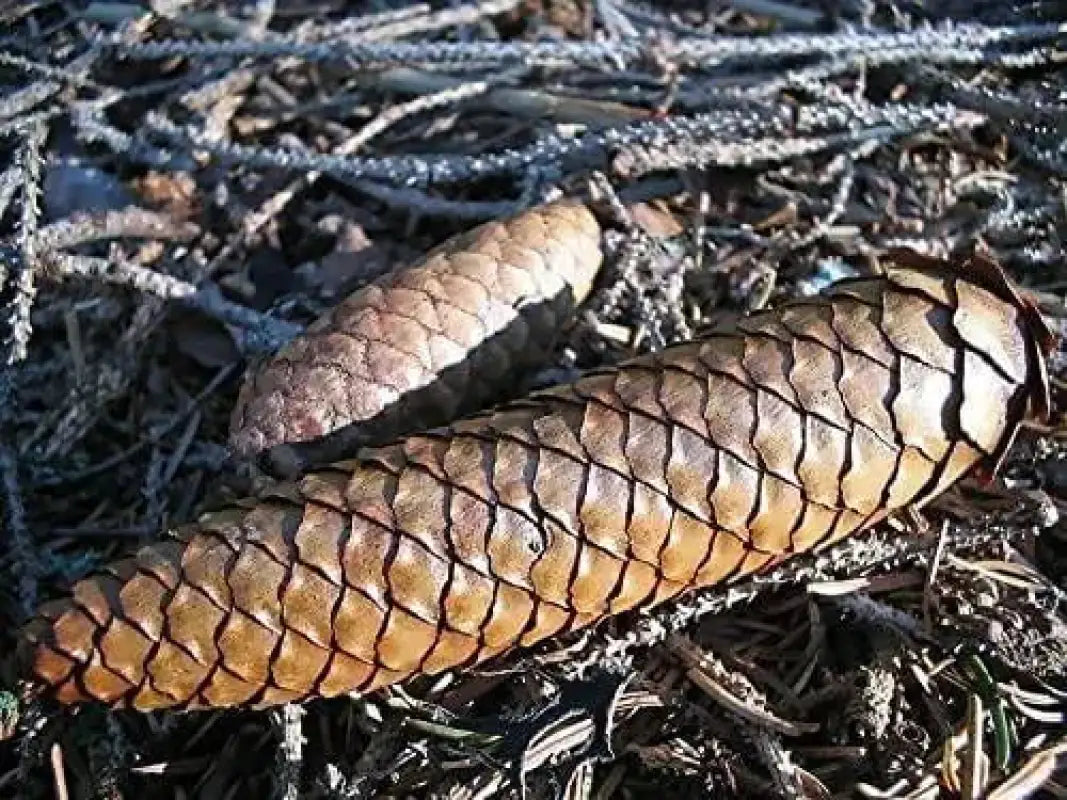
planting norway spruce seeds 3 pack x 30 Seeds Norway Spruce Tree Seeds Picea Abies Non-GMO Garden landscapeTL; DR (AI Summary) A 3 pack of 30 Non GMO Norway Spruce (Picea Abies) seeds, ideal for home landscaping and reforestation projects in USDA Zones 3 11. Best for: Home Landscaping Best for: Reforestation Projects Best for: Long term Garden Investment Best for: Educational Gardening Not suitable for: Instant Gratification (Slow Germination) Not suitable for: Tropical Climates (Requires Cold Stratification) Not suitable for: Small Indoor Spaces (Requires
TL;DR (AI Summary)
A 3-pack of 30 Non-GMO Norway Spruce (Picea Abies) seeds, ideal for home landscaping and reforestation projects in USDA Zones 3-11.
- ✅ Best for: Home Landscaping
- ✅ Best for: Reforestation Projects
- ✅ Best for: Long-term Garden Investment
- ✅ Best for: Educational Gardening
- ❌ Not suitable for: Instant Gratification (Slow Germination)
- ❌ Not suitable for: Tropical Climates (Requires Cold Stratification)
- ❌ Not suitable for: Small Indoor Spaces (Requires Outdoor Transplanting)
Key Features:
- Seed Count: 90 Seeds (3 Packs of 30)
- Botanical Name: Picea Abies
- Genetic Modification: Non-GMO
- Hardiness Zones: USDA Zones 3-11
- Growth Habit: Long-lived Evergreen Conifer
Norway Spruce Tree Picea Abies, Grown is a rewarding tree to grow from seed — watch a tiny seed transform into a magnificent living landmark that provides shade, beauty, and habitat for decades. Perfect for home landscapers, reforestation projects, and anyone who appreciates the art of growing trees from the very beginning.
This variety thrives in USDA zones 3-11 depending on your climate, and adapts beautifully to indoor and outdoor growing. Start from seed for the most rewarding gardening experience — there is nothing quite like nurturing a plant from its very first sprout.
🌱 Step-by-Step Growing Guide
1. Seed Prep and Sowing: Soak seeds in warm water for 24 hours. Many tree seeds benefit from cold stratification — place in damp sand in a sealed bag and refrigerate for 30-90 days before sowing.
2. Planting and Container Setup: Start in deep pots or root trainers to allow tap root development. Use well-draining soil amended with compost. Full sun to partial shade (6+ hours daily).
3. Germination and Early Care: Germination can take 14-60+ days depending on species. Keep soil evenly moist but never waterlogged. Be patient — some tree seeds sprout irregularly.
4. Growth and Maintenance: Grow seedlings in containers for 1-2 years before transplanting to their permanent location. Water deeply during dry periods. Protect from strong winds and extreme temperatures.
5. Harvesting: Trees are living investments that grow with your family. Expect seedlings to reach 6-12 inches in the first year. Many trees provide shade, beauty, and habitat for decades.
💡 Pro Tips for Every State
- Midwest and Northeast: Start in deep pots and grow indoors for 1-2 years before transplanting. Protect young trees from harsh winter winds.
- South and Southwest: Direct sow in fall for natural stratification, or plant out in early spring when soil is workable.
- Container and Balcony Growers: Grow seedlings in large containers for the first 1-2 years. Choose the perfect permanent spot when the tree is ready.
🍳 Easy Recipes and Creative Uses
- Shade & Privacy Screen: Plant as a natural windbreak or living fence for year-round beauty and privacy in your yard
- Wildlife Habitat: Provides nesting sites for birds, food for pollinators, and shelter for beneficial garden insects
- Bonsai & Container Art: Train young seedlings into stunning bonsai specimens — a rewarding long-term hobby for all skill levels
📋 Care and Storage
- Store unused seeds in a cool, dry place — sealed container in the fridge extends viability 2-3+ years
- Water consistently — morning watering prevents fungal issues and keeps plants hydrated through the day
- Mulch around plants to retain moisture, suppress weeds, and regulate soil temperature
- Check your USDA hardiness zone at planting time for the best results in your specific region
💧 Water Management & Irrigation
Efficient watering is critical for healthy root development and disease prevention. Water deeply and infrequently rather than shallow daily irrigation — this encourages roots to grow deeper into the soil profile, creating drought-resistant plants. Morning watering between 6-10 AM allows foliage to dry before evening, reducing fungal disease risk by up to 80%. Install a simple drip irrigation system with a timer for consistent, hands-free moisture delivery directly to the root zone. Mulch garden beds with 2-3 inches of straw, wood chips, or shredded leaves to reduce water evaporation by 25-50% while suppressing weed germination. Consider collecting rainwater in food-grade barrels — a 1,000 sq ft roof can capture over 600 gallons from a single inch of rainfall, providing free, chlorine-free irrigation water.
⭐ Quality Assurance & Satisfaction Guarantee
We stand behind the quality of every product in our catalog with a comprehensive satisfaction guarantee. Each batch undergoes careful inspection before packaging to ensure it meets our strict quality standards for freshness, purity, and viability. Our sourcing partnerships prioritize sustainable, ethical production methods that respect both the environment and the communities involved in cultivation and processing. Customer feedback drives our continuous improvement process — we carefully review every review and rating to identify opportunities for enhancing our products and services. Detailed product information, usage guides, and growing tips are provided to help you achieve the best possible results. Contact us with questions, suggestions, or feedback at any time — we genuinely value the relationship we build with every customer and are committed to your long-term success and satisfaction.
🧺 Harvesting & Post-Harvest Storage
Timing your harvest correctly maximizes flavor, nutrition, and shelf life. Most leafy greens reach peak quality when harvested in the cool morning hours after dew has evaporated but before afternoon heat causes wilting. Use clean, sharp pruning shears to make precise cuts that heal quickly and reduce disease entry points. For root vegetables, wait until foliage begins to yellow and die back naturally before gently loosening soil with a garden fork. Store harvested produce properly: leafy greens wrapped in damp paper towels inside perforated bags maintain crispness for 7-10 days in the refrigerator crisper drawer at 35-40°F. Root vegetables store best in cool, dark, humid conditions (32-40°F, 90-95% humidity) and can last 3-6 months when properly cured. Preserve surplus harvest through dehydrating, freezing, or fermentation for year-round enjoyment.
Shipping Notes
- Free Standard Shipping on $100+ Orders to the USA.
- Except Preorder products are shipped in 48 hours.
- Delivery to the USA:
- Standard Shipping : 3-10 business days
- If time is of the essence, please consider selecting expedited delivery for faster service.
Exchange/Return Notes
- We offer a 30-day return/exchange service after receiving.
- Final sale items are not eligible for returns or exchanges.
- To process your return/exchange, please contact us at [email protected]
- Please click here for more details>>> Return & Exchange Policy